
Kitchen Remodeling for Older Homes
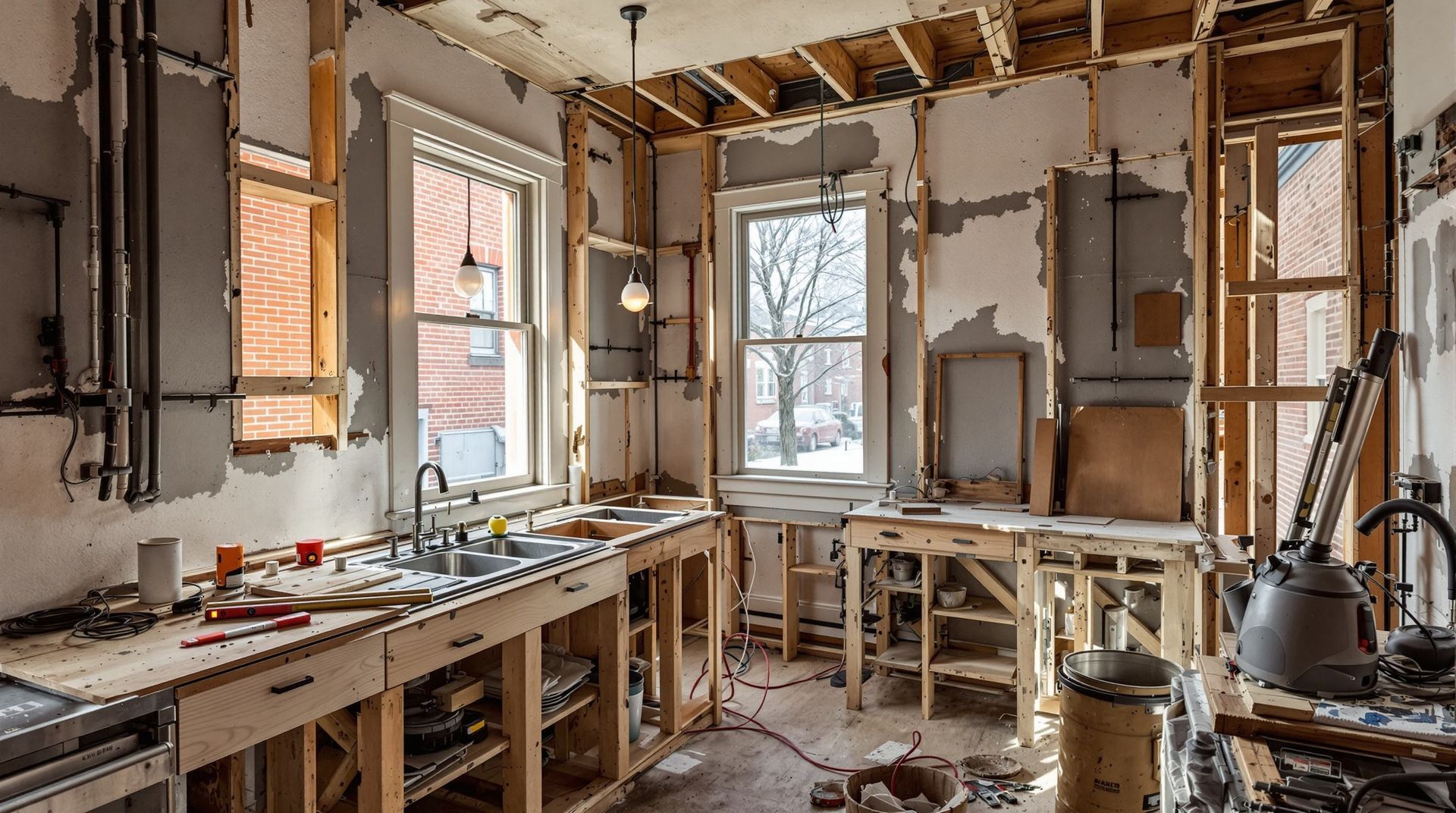
Quick Take: Kitchen remodeling for older homes in Cincinnati requires more planning than a standard update because hidden structural, electrical, and plumbing issues are common. Most projects range from $30,000 to $85,000 and take 6 to 10 weeks, depending on repairs and permit timelines. Careful design and early inspections help prevent delays and costly surprises.
Older homes across Cincinnati offer solid construction and details you rarely see in newer houses. At the same time, many kitchens still reflect how families lived decades ago. Tight layouts, limited outlets, and worn cabinets can make everyday cooking and cleanup more difficult than they should be. Updating these spaces takes more than cosmetic changes.
This guide walks you through what to expect when remodeling an older kitchen in Cincinnati. You will learn how design planning, electrical and structural updates, and realistic budgeting all work together, along with typical costs and timelines, so you can prepare with confidence.
How to Tell If Your Older Kitchen Needs a Full Remodel
We often see homeowners struggling with "the squeeze," that frustrating moment when the refrigerator door swings open and completely blocks the path to the stove. In these older local homes, the original floor plans usually didn't account for modern life. If two people can't pass each other without one of them turning sideways, your layout has officially reached its expiration date.
Beyond just the tight squeeze, keep an eye out for these red flags:
- Structural wear and tear: When your laminate counters start separating or the flooring feels a bit "bouncy" or uneven, you're likely looking at deeper issues in the subfloor or cabinetry.
- Storage that doesn't work: If you find yourself stacking pans in the oven because the cabinets are too shallow or poorly positioned, a cosmetic fix won't solve your frustration.
- The "one appliance" rule: If your lights flicker the moment you try to use the toaster and the microwave at the same time, your electrical system is waving a white flag. Older kitchens weren't built for the power draw of today’s high-end appliances.
Our team has found that while a DIY refresh might hide the age for a year or two, it won't fix a broken work triangle or outdated wiring. If lights flicker when multiple appliances run, or outlets are scarce, the electrical system may need upgrades. In many cases, a full kitchen remodeling project is the best way to address layout, safety, and long-term value at the same time.
Common Problems Found in Kitchens Built Before 1980
Older homes across Greater Cincinnati often hide issues that stay tucked away until the demolition crew starts pulling back the layers. Understanding these common hurdles helps you plan a realistic budget and a timeline that actually holds up. We have seen many projects where a simple cabinet swap turned into a major repair once the walls were opened.
Outdated Electrical Capacity
Many older kitchens were built with minimal wiring because families simply used fewer appliances decades ago. Today, your refrigerator, microwave, and dishwasher can easily overload those original circuits. Upgrading your electrical panel and adding dedicated lines is usually necessary to meet modern safety standards. You should plan for electrical upgrades to cost between $2,000 and $5,000 depending on how much of the home needs rewiring.
Aging Plumbing Systems
Galvanized pipes were the standard years ago, but they tend to corrode from the inside out, which slowly kills your water pressure. You might not even notice a hidden leak until the flooring is removed and you see the water damage underneath. Our team often recommends replacing these old supply lines with modern materials like PEX or copper to prevent future disasters.
Structural Shifts and Uneven Surfaces
Cincinnati homes naturally settle over the years, which means your floors might slope slightly or your walls may no longer be perfectly square. When it comes to installing new, heavy quartz countertops, those uneven surfaces require careful adjustments to stay level. Addressing these structural integrity issues early on prevents your cabinets from sagging or your tile from cracking later.
Understanding Building Codes for Older Cincinnati Homes
Bringing an older kitchen up to current code is one of the most important parts of the planning process. Today’s requirements focus on safety, efficiency, and proper ventilation.
Most older kitchens need updates such as:
- GFCI and AFCI protection for outlets near water and along countertops
- Dedicated electrical circuits for major appliances
- Proper range hood ventilation to the exterior
- Updated spacing and clearance for appliances and walkways
- Permits and inspections required by Hamilton County
Local experience matters here. Our team works with Cincinnati inspectors regularly and handles the permit process so homeowners are not left navigating code requirements on their own. Early coordination helps prevent failed inspections and keeps the project moving forward.
When to Repair vs Replace Original Features
One of the biggest questions in kitchen remodeling for older homes is how much of the original character to keep. Many Cincinnati homeowners want modern function without losing the vintage style that makes their home unique.
Solid wood cabinets, for example, may be candidates for refinishing if the layout still works. Original hardwood flooring, trim, or built-ins can often be restored to maintain historic preservation while improving the surrounding space.
However, replacement makes sense when function or safety is compromised. Cabinets with poor storage, shallow depths, or damaged boxes often limit what the kitchen can become. In these cases, new Kitchen cabinets designed for modern storage provide a better long-term solution.
A thoughtful design balances character with practicality, keeping the elements that matter while upgrading what no longer works.
How Permits and Planning Affect Your Timeline
Older homes almost always require more planning time than newer properties. Understanding where time is spent helps set realistic expectations.
1. Design and Material Lead Times
The planning phase includes layout development, product selection, and ordering materials. Custom cabinetry, specialty finishes, or vintage inspired details can take several weeks to manufacture and deliver.
2. Permit and Inspection Timing
Most structural, electrical, and plumbing work requires approval from local building departments. Permit review and scheduling inspections can add time before and during construction.
3. Construction Reality in Older Homes
Once walls are opened, unexpected issues such as outdated wiring, water damage, or framing repairs may appear. These discoveries are common and usually add a few days rather than weeks when planned for properly. With a clear plan and professional kitchen design, most Cincinnati remodels are completed within 6 to 10 weeks.
What to Inspect Before Finalizing Your Remodel Plan
A thorough evaluation before construction begins is the best way to avoid budget surprises. Older homes benefit from a detailed inspection of key systems.
Before finalizing your plan, check:
- Electrical panel capacity and overall wiring condition
- Plumbing lines for corrosion, leaks, or outdated materials
- Signs of past moisture damage behind walls or under flooring
- Load-bearing walls and framing that affect layout changes
- Insulation and ventilation levels
- Evidence of mold, pests, or hidden structural damage
At Howard’s Kitchen Studio, founded in 1915, our team reviews these factors early so homeowners understand the full scope before construction begins. Many clients also choose to coordinate related updates, such as a nearby bath remodel, while work is already underway.
Conclusion
Remodeling an older kitchen is not just about new finishes. It is about improving safety, updating infrastructure, and making the space work for modern life while respecting the character of the home. With careful inspections, realistic budgeting, and experienced guidance, even kitchens in 50-year-old homes can be transformed into spaces that feel both timeless and functional.
Working with a team that understands Cincinnati’s older housing stock helps prevent surprises and keeps the process organized from design through final walkthrough.
Get Expert Guidance for Your Older Home Project
If your Cincinnati home is showing its age, the right plan makes all the difference. Our team at Howard’s Kitchen Studio has been helping homeowners modernize older kitchens since 1915, with owner Mark Kaplan personally overseeing every project.
Visit our Cincinnati showroom to explore materials, compare options, and talk through your goals with experienced designers. We will help you understand what your home needs, what it will cost, and how to move forward without surprises.
Start your project with a consultation and see how thoughtful planning can turn your older kitchen into a space that works for today while preserving the character you value.