
Storage-First Kitchen Design for Modern Homes
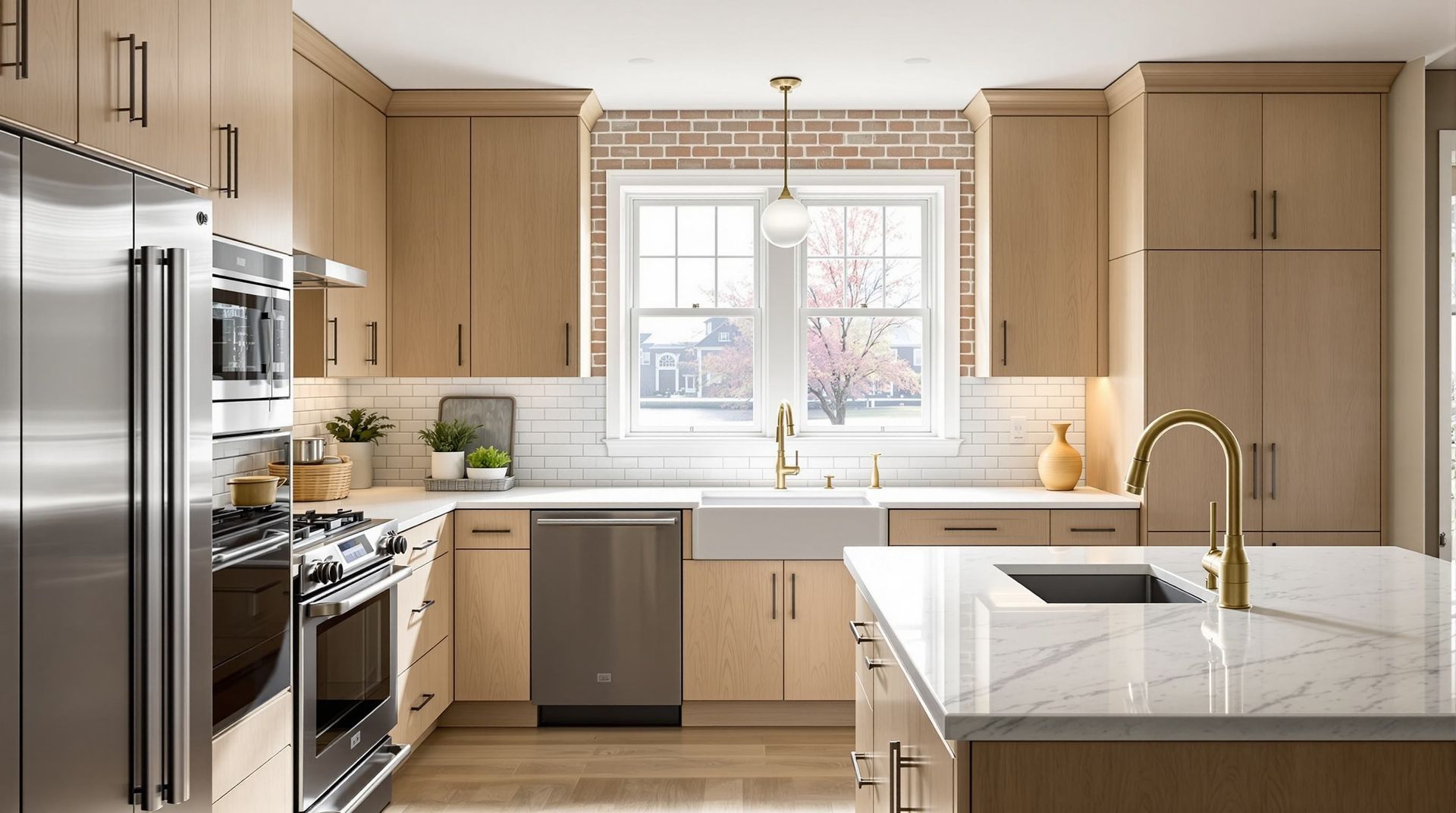
Quick Take: A storage-first plan is the best way to kick cluttered counters and overflowing cabinets to the curb. In the Greater Cincinnati area, most kitchen remodels run between $25,000 and $60,000 and take about 6 to 10 weeks, depending on how much you change the layout or add custom features. Getting your storage dialed in early saves you from the headache (and cost) of changing cabinet orders mid-project.
Most kitchens don't lose their style; they just run out of room. You know how it goes: cabinets get stuffed, counters become "temporary" homes for everything, and you’re constantly hunting for the spatula. For those of us living in Cincinnati homes built between the '60s and '90s, smarter storage can make your kitchen feel brand new without needing to tear down walls or add square footage.
In this guide, we'll walk through practical design ideas that make your daily life easier, think about pantry hacks, pull-out shelves, and clever hidden spots for those bulky appliances. We’ll also talk about the common traps to avoid and how these choices affect your budget and timeline here in the Queen City.
Why Storage First Changes How Your Kitchen Works
A storage-first plan focuses on how you actually move through your day, rather than just looking at cabinet samples. We start by looking at what you use most often and where it makes the most sense to keep it. When your kitchen is set up to match your habits, everything just feels easier the moment you start cooking.
If you skip this step, even the prettiest remodel can get frustrating fast. Deep cabinets become "black holes" for Tupperware, and you might find yourself hiking across the kitchen three times just to make a sandwich.
A thoughtful kitchen design organizes storage around work zones:
- Cooking tools stay right by the stove.
- Dishes live near the dishwasher.
- Food prep items stay close to the counter space.
This setup cuts down on extra steps and keeps your counters clear. Plus, it helps keep your budget in check. Choosing your organizers early means you won't be paying for expensive "oops" changes once construction is already moving.
Pantry Organization That Fits Real Cincinnati Homes
Many of our local older homes have pantries that are a bit on the small side, which means we have to be strategic. A well-organized pantry can actually hold way more than a messy walk-in.
Zone Your Pantry by Use
Grouping things by "job" makes life so much simpler. Try setting up zones like:
- Breakfast and snacks for quick grabs.
- Baking supplies (flour, sugar, etc.).
- Canned goods and dry pasta.
- Oils, vinegars, and condiments.
Keeping likes with likes helps you see what you have, so you don’t end up buying a third jar of cinnamon by mistake.
Choose Adjustable Storage
Your needs will change, so your shelves should too. Whether it’s tall cereal boxes or tiny spice jars, adjustable shelves let you tweak the height. For most remodels, we suggest shelves about 12 to 16 inches deep, which is the "sweet spot" where things stay visible instead of getting buried in the back.
Consider Pull-Out Pantry Systems
If you’re working with a tight squeeze, a tall pull-out pantry cabinet is a lifesaver. These units slide all the way out so you can see everything from the side. No more digging through the dark to find that one can of chickpeas.
Smart Cabinet Features That Maximize Every Inch
Modern storage is all about getting to your stuff without a workout. The right upgrades can turn a standard cabinet into a high-efficiency machine.
Here are some of the most useful upgrades for
kitchen cabinets:
- Pull-out shelves: These cabinets bring your heavy pots and small appliances right to you.
- Drawer organizers: Custom dividers keep your "junk drawer" from actually becoming one.
- Vertical tray storage: The perfect home for cookie sheets, cutting boards, and muffin tins.
- Dedicated spice racks: Narrow pull-outs near the range keep your seasonings right where you need them.
- Trash and recycling pull-outs: Hiding the bins keeps the kitchen looking sharp and smelling fresh.
These features don't add a ton to the bottom line, but they make a massive difference in how much you enjoy your kitchen every single day.
Hidden Storage Ideas That Reduce Visual Clutter
A kitchen feels a lot more peaceful when the "stuff" is tucked away. Hidden storage gives you that clean, minimalist look without making it hard to get to your gear.
Appliance garages are a hit for things like coffee makers and stand mixers. You can't tuck them into a corner or a tall cabinet, so they’re ready to use, but don't eat up your counter space.
Toe-kick drawers utilize that empty space right at the floor level under your cabinets. They’re perfect for flat items like baking mats or extra linens. In a smaller Cincinnati kitchen, this "bonus" space is pure gold.
You can also use panel-ready appliances and tall pantry walls to create a seamless, built-in look. This is a great way to make modern storage fit the vibe of a traditional brick colonial or a classic ranch home.
Storage Planning Mistakes That Cost Homeowners Later
A lot of people pick their cabinet colors first and think about storage last. Unfortunately, that usually leads to some regrets down the road.
1. Not Planning for Small Appliances
Air fryers and Crock-Pots are bigger than you think! If you don't have a specific home for them, they’ll end up living on your counter permanently, which is exactly what we’re trying to avoid.
2. Ignoring Clearance and Access
Drawers and pull-outs need room to breathe. If your island is too close to the wall, you won’t be able to open things all the way. We usually recommend 42 to 48 inches of clearance in the main work areas so you aren't constantly bumping into things.
3. Underestimating Future Needs
Your kitchen collection usually grows over time. Whether you start hosting more holidays or get into bread making, you’ll likely need more space later than you do now. Planning for a little extra room today is much cheaper than trying to add it tomorrow.
During a professional kitchen remodeling project, these issues are addressed before materials are ordered, reducing change orders and delays.
What Storage-First Design Means for Budget and Timeline
Customizing your storage does affect the price and the schedule, but it's much easier to do it now than to try and retrofit things later.
While basic shelves are the cheapest route, adding pull-outs and organizers usually adds about 10% to 25% to your cabinet costs. Since cabinets are usually the biggest part of a Cincinnati kitchen budget, it’s worth weighing these options early.
Custom features can also change your wait time. Semi-custom cabinets usually take 4 to 8 weeks to arrive, while fully custom pieces might take a bit longer. Many homeowners who prioritize kitchen storage during renovation also choose to coordinate related spaces, such as laundry rooms or a bath remodel , to improve organization throughout the home.
Conclusion
Good storage does more than reduce clutter. It makes everyday tasks faster, easier, and less frustrating. When cabinets, drawers, and pantry space are planned around how you actually cook and live, the kitchen feels organized without constant effort. Counters stay clear, items are easy to reach, and the space works the way you expect it to.
This approach is especially valuable in many Greater Cincinnati homes where kitchens were designed decades ago for smaller appliances and different routines. Planning storage early also helps prevent last-minute changes, keeps your project on schedule, and ensures your investment delivers long-term function, not just a fresh look.
If you are thinking about updating your kitchen, start with a storage plan before choosing finishes. Our team at Howard’s Kitchen Studio helps homeowners throughout Cincinnati design kitchens that balance smart storage, efficient layouts, and realistic budgets.
Schedule a consultation to review your space, explore cabinet and pantry options, and see how a storage-first plan can improve the way your kitchen works every day.