
How to Plan a Kitchen Remodel Without Costly Mistakes

Quick Take: Planning your kitchen remodel carefully prevents layout errors and budget overruns that cost Cincinnati homeowners thousands. Most kitchen remodeling projects in the Greater Cincinnati area range from $25,000 to $60,000 and take about 6 to 10 weeks once construction begins. A clear renovation checklist, realistic project timeline, and the right contractor hiring strategy make the difference between stress and success.
Planning a kitchen remodel can feel overwhelming, especially if you have lived in your Cincinnati home for 15 or 20 years, and this is your first major renovation. You want it done right. You want it on budget. And you definitely do not want costly mistakes that haunt you every morning while making coffee.
In this guide, you’ll learn how to plan a kitchen remodel step by step without costly mistakes. We’ll walk through creating a practical renovation checklist, building a realistic project timeline, navigating the design phase, budgeting smartly, and choosing the right contractor.
1. Start With a Clear Renovation Checklist Before You Spend a Dollar
The biggest mistake homeowners make is shopping before planning. Cabinets get picked before measurements are confirmed. Appliances are ordered before the layout is finalized. That is how budgets spiral.
Start with a renovation checklist that answers three core questions. What is not working right now? What must change for functionality? What would be nice to have? Separate needs from wants. If your refrigerator blocks the pantry door or you have only 30 inches between counters, that is a functional issue. Upgrading to a luxury range might be a want.
Many homes in Cincinnati suburbs like Loveland, Anderson, and Montgomery were built between the 1960s and 1990s. These kitchens often lack storage depth, proper lighting, and efficient work triangles. We regularly see homeowners underestimate structural updates such as moving plumbing or electrical lines. Those changes affect cost and timeline early.
Write everything down before speaking with contractors. A written checklist keeps decisions grounded and protects your budget from emotional upgrades later.
2. Understand What a Realistic Project Timeline Looks Like in Cincinnati
Most people think construction is the entire project. It is not. Planning and the design phase often take 2 to 4 weeks before demolition even starts.
In Hamilton County, permit approvals can take 1 to 3 weeks, depending on the scope. Once construction begins, a full kitchen remodel typically runs 6 to 10 weeks. Custom cabinetry, structural wall removal, or specialty appliances can extend that.
Here is a simplified timeline most homeowners experience:
- Planning and budgeting: 2 to 4 weeks
- Design phase and material selections: 3 to 5 weeks
- Permit approvals: 1 to 3 weeks
- Construction: 6 to 10 weeks
Living through it is the part no one talks about. Set up a temporary camp kitchen in your dining room or basement. A microwave, coffee maker, toaster oven, and small refrigerator can carry you through. Paper plates help more than you think. Planning this ahead reduces stress during construction.
3. The Design Phase Is Where Costly Mistakes Are Prevented
Skipping professional planning often leads to expensive change orders. The design phase protects you from that.
Why Professional Kitchen Design Matters
The work triangle, the path between sink, stove, and refrigerator, should measure roughly 4 to 9 feet on each side. Anything tighter feels cramped. Anything larger wastes steps. Clearance between opposing counters should be 42 to 48 inches so two people can pass comfortably.
Door swings matter. We have seen refrigerator doors collide with islands because spacing was miscalculated by two inches. That kind of mistake costs thousands once the cabinets are installed.
Working with experienced professionals in kitchen design ensures these measurements are built into the plan from day one. At Howard’s Kitchen Studio, Senior Designer Sandee Daye holds the CMKBD credential, the highest certification in the industry. That level of expertise exists to prevent problems before they happen.
3D Renderings and Material Selections
Two-dimensional drawings leave room for doubt. Three-dimensional renderings remove it. Seeing your cabinet finish next to your countertop and flooring eliminates guesswork.
This is also where decision overwhelm gets managed. Instead of staring at hundreds of door styles, you narrow down options based on budget, lifestyle, and home architecture. Many Cincinnati brick colonials look best with timeless shaker profiles, while newer suburban homes may lean modern.
Selecting materials during the design phase prevents mid-project upgrades that inflate costs. Once construction begins, changes are expensive. Lock decisions early, and your budget stays intact.
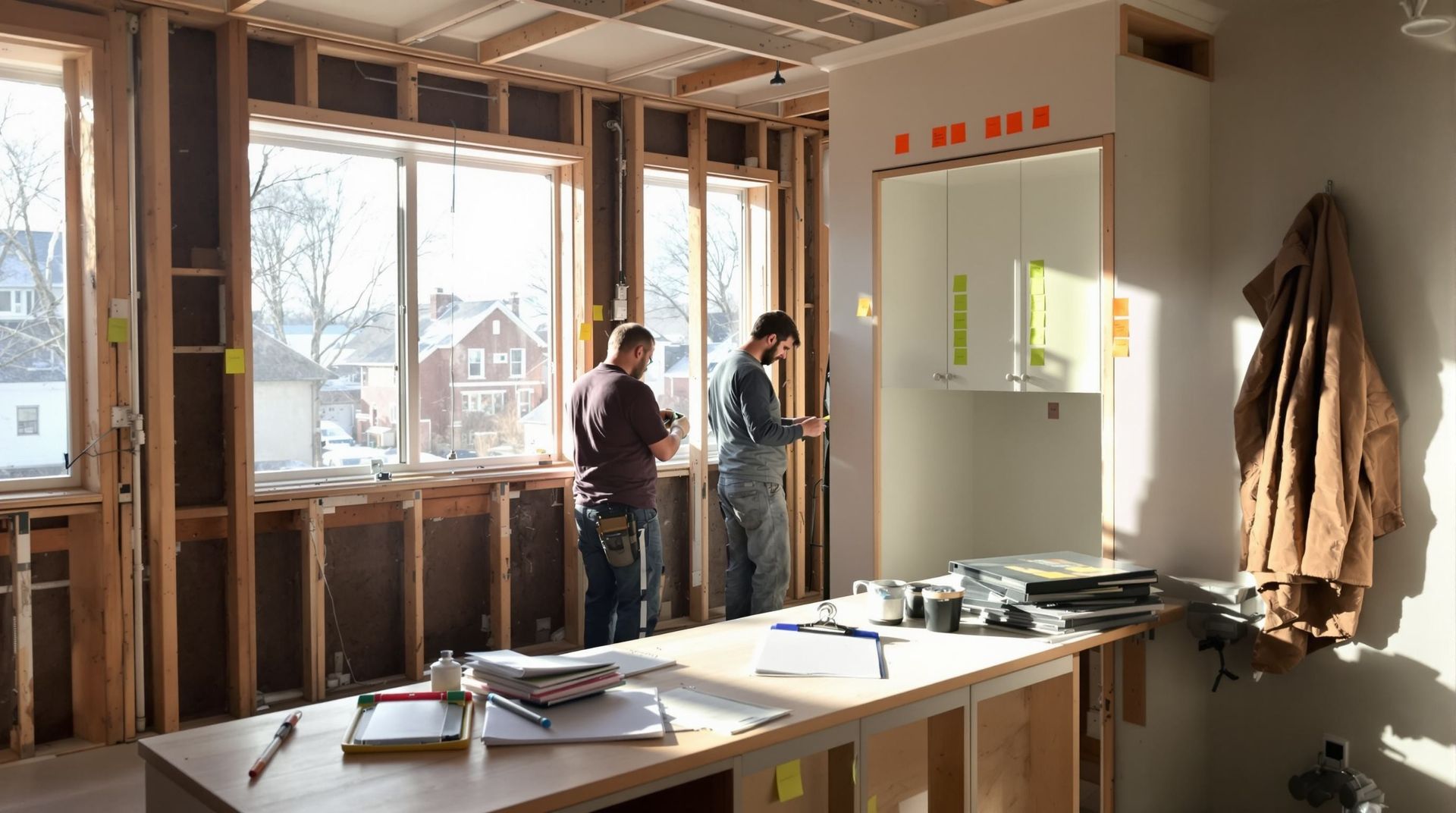
4. Budgeting Smartly to Avoid Hidden Costs and Surprise Upgrades
In the Greater Cincinnati area, most complete kitchen remodeling projects range from $25,000 to $60,000 or more, depending on scope. Cabinetry alone often accounts for 30 to 40 percent of the total investment. Labor and installation can represent another 25 to 35 percent.
Appliances vary widely. Premium brands like Miele, Monogram, or BlueStar can significantly shift your budget. It helps to view and compare them in person before committing.
Hidden issues are real. Once walls open, you might discover outdated wiring, minor plumbing leaks, or water damage behind old cabinets. That is why we advise clients to set aside 10 to 15 percent of their budget as a contingency fund.
Transparent, itemized pricing makes a difference. When each component, cabinets, countertops, labor, hardware, and appliances, is broken out clearly, you understand exactly where your money is going and can adjust intelligently instead of guessing.
5. Contractor Hiring: What to Look for Before You Sign Anything
Contractor hiring is where many costly mistakes begin. Experience matters, but specifics matter more.
Look for:
- Years in business with a verifiable history
- Certified designers on staff
- BBB accreditation
- A physical showroom you can visit
- Clear, itemized estimates
Ask who will manage your day-to-day project. Ask how change orders are handled. Ask what happens if material delays occur. Confident, transparent answers signal a contractor who has nothing to hide.
Choosing a partner for your kitchen remodeling project should feel structured, not rushed.
Choosing the Right Cabinets and Materials
Cabinet selection drives both style and budget. Stock cabinets cost less but offer limited sizing. Semi-custom and custom options allow better fit and finish, especially in older Cincinnati homes where walls are rarely perfectly square.
Here is a simplified comparison:
| Feature | Stock | Semi Custom | Custom |
|---|---|---|---|
| Flexibility | Limited sizes and configurations | Moderate size and finish adjustments | Fully tailored to exact space and style |
| Cost Range | $18,000 - $30,000 (minor remodel) | $30,000 - $55,000 (most common range) | $55,000 – $90,000+ (high-end projects) |
| Lead Time | 2 - 4 weeks cabinetry lead time | 4 – 8 weeks | 8 - 12+ weeks depending on customization |
Quality matters. Durable finishes hold up better during Ohio winters when humidity fluctuates between seasons.
Explore options for kitchen cabinets in person whenever possible. Touching materials changes perspective. Seeing quartz, granite, and tile under real lighting helps you avoid regret later.
When decisions feel overwhelming, narrowing choices based on lifestyle helps. Do you cook daily? Entertain often? Need more pantry storage? Let function guide style.
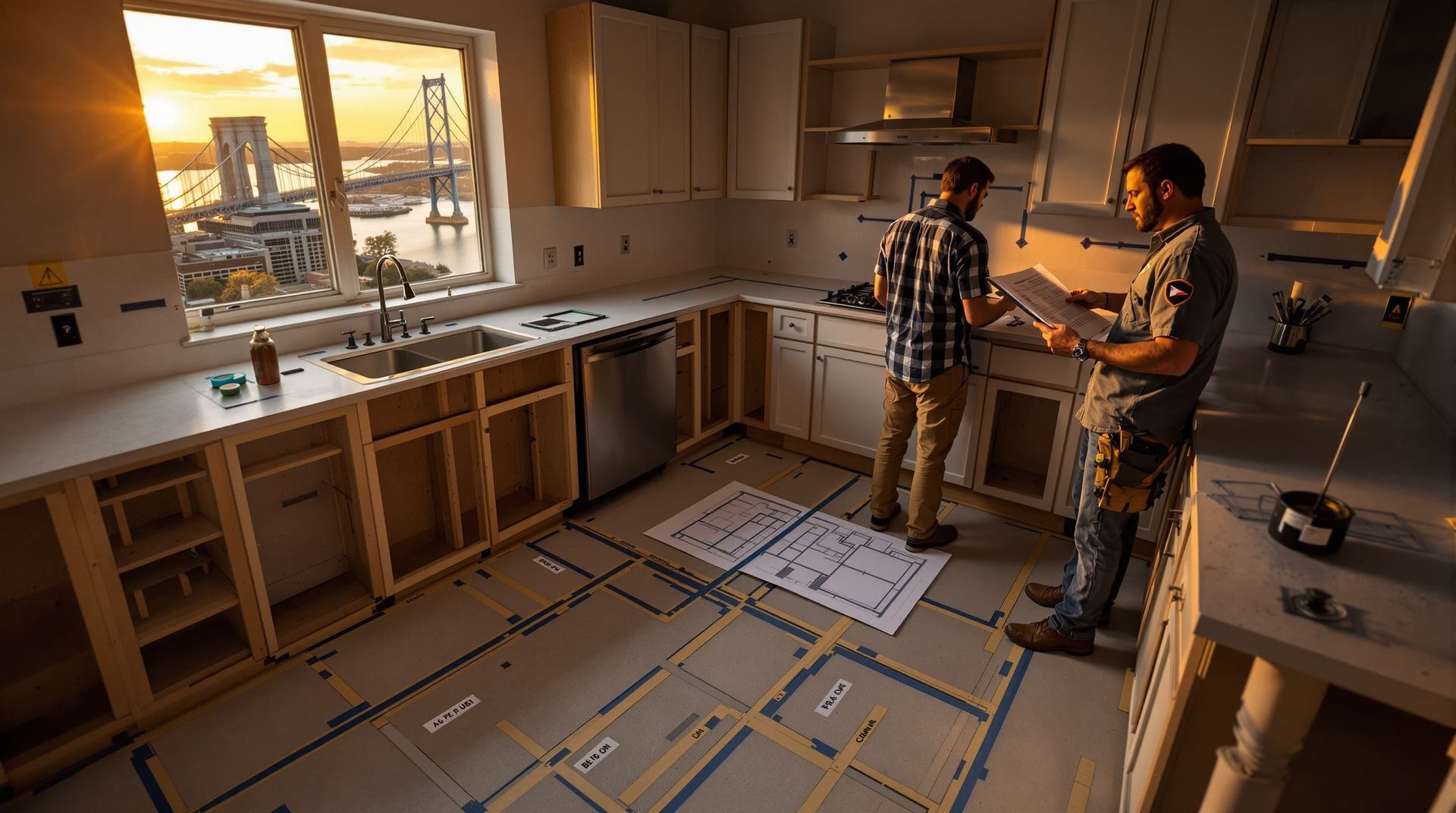
When It Makes Sense to Combine Projects
Sometimes the smartest move is thinking bigger. If your kitchen remodel exposes adjacent flooring or plumbing lines, it may make financial sense to coordinate a nearby bathroom update.
Bundling projects can reduce labor duplication and material delivery costs. It also limits how long your home stays in renovation mode. Instead of two separate disruptions over two years, you handle both at once.
For homeowners considering a future bath remodel , planning alongside your kitchen can create design continuity throughout the home. Matching cabinet finishes or countertop materials ties spaces together visually.
Strategic planning prevents you from finishing a beautiful kitchen only to realize the adjacent bathroom now feels dated. Think in phases, even if you do not complete everything immediately.
Conclusion
A kitchen remodel is too important to rush. When you slow down and plan properly, you avoid the expensive surprises that frustrate so many homeowners. A clear checklist keeps priorities straight. A realistic timeline prevents disappointment. A well-developed design phase protects you from layout mistakes that cannot be undone once cabinets are installed.
Planning is not about adding steps. It is about removing uncertainty. Remodel once. Do it thoughtfully. And create a kitchen that works better every single day.
If you are thinking about remodeling your kitchen in Cincinnati, start with a conversation about your goals, budget range, and timeline expectations. Walking through your ideas in person often brings clarity you cannot get from browsing photos online.
Visit our Cincinnati showroom to compare cabinetry, countertops, and appliances side by side, or schedule a consultation to review your renovation checklist together. Contact us today to begin planning your remodel with realistic expectations and a clear path forward.